How to Adapt to Dutch Culture as an International Student
This guide explains how to adapt to Dutch culture, what surprises newcomers most, and how long the adjustment takes.
If you are studying in Amsterdam, preparing can make international student life much smoother. This guide is here to help you feel ready for what’s ahead.
Understanding Dutch Culture Before You Arrive
Understanding culture in the Netherlands means learning how to adapt to a new ethos without losing your own. The twelve areas below each stand alone, so you can explore them in any order.
1. Get Comfortable with the Dutch Direct Communication Style
The Dutch communication style is direct. People say what they mean, usually without softening it. A classmate may tell you your presentation needs work, and they expect the same honesty from you. Treat it as respect, not criticism, and when you disagree, state your view and give your reason.
2. Be Punctual and Respect Other People’s Time
Being on time is central to Dutch customs and etiquette. Arriving ten minutes late to a lecture or a coffee date can look careless. Many people plan social meetups days ahead, so keep a calendar. If you will be late, message before the start time, not after.
3. Learn the Dutch Cycling Culture
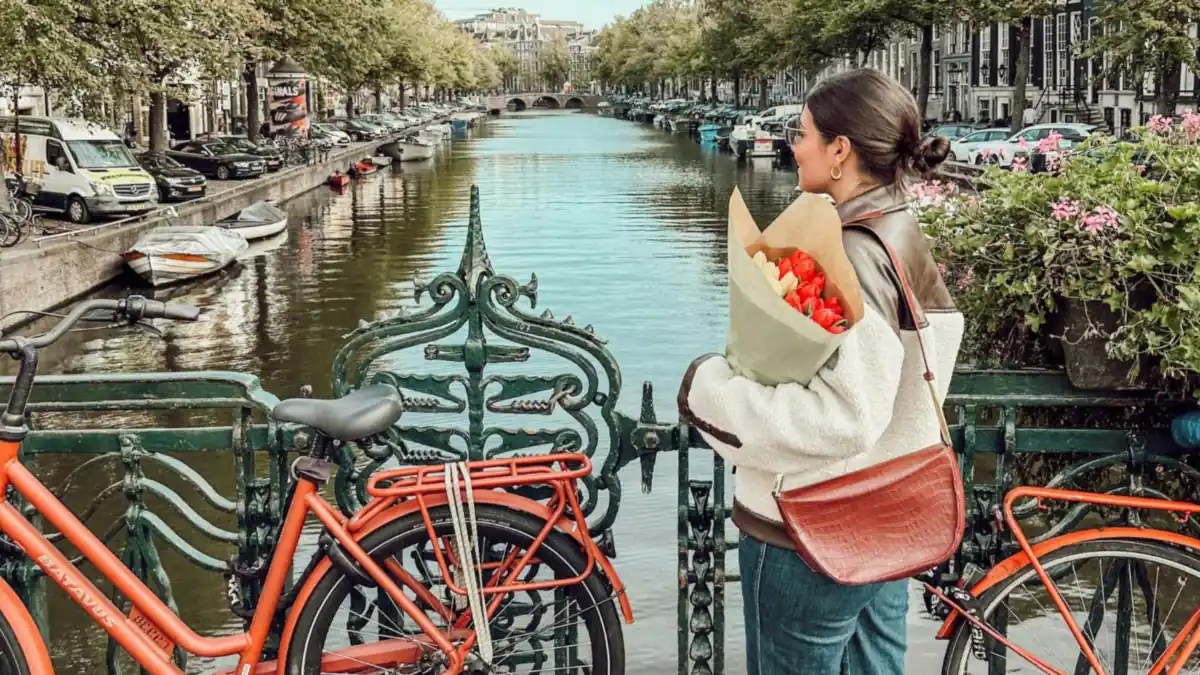
Cycling runs through the Dutch way of life, and bike lanes have strict rules. Don’t walk in them, signal before you turn, and use a solid lock, since bike theft is a known problem in Amsterdam. Many international students in the Netherlands buy a second-hand bike within their first week.
4. Understand Dutch Social Etiquette
Dutch social etiquette is informal and egalitarian. Handshakes are normal at first meetings, professors go by first names, and friends often split the bill exactly. Birthday gatherings, where guests sit in a circle, are one of the Dutch traditions that surprise newcomers. Watch first, then join in.
5. Embrace Dutch Independence
Independence is assumed when it comes to student life in the Netherlands. Lecturers won’t chase you about deadlines, and nobody books your appointments for you. Read your course handbook early, keep your own schedule, and ask questions when something is unclear. Asking for help is normal, but waiting to be offered it is not.
6. Adapt to the Dutch Approach to Education
Studying in the Netherlands as an international student means speaking up in class. Expect group projects, debates, and open disagreement with lecturers, and many courses count participation toward your grade.
In our guide Understanding the Netherlands Education System: A Guide for International Students, we explain how programs are structured. This will help you delve deeper into the Dutch education system.
7. Get Used to Dutch Food and Everyday Lifestyle
The Dutch lifestyle keeps meals simple. Lunch is often a sandwich with cheese, and dinner is early, around 6 p.m. Try stroopwafels, bitterballen, and herring at least once! Cooking at home is standard, and supermarkets cost far less than restaurants, which matters for the Netherlands student life budget.
8. Learn Some Basic Dutch Words and Phrases
Most locals speak English, but the Dutch language still earns goodwill. Start with “hallo,” “alsjeblieft” (please), “dank je wel” (thank you), and “sorry.” Even a clumsy attempt at the Dutch language in shops, at your landlord’s door, or with neighbors usually gets a warmer reply.
9. Build Connections with Dutch and International Students
Friendships with Dutch classmates often begin with shared activities rather than small talk. Join a study association, sports club, or housing group, and be the one who suggests coffee.
10. Respect Dutch Diversity and Inclusivity
Dutch society is open about equality, and same-sex marriage has been legal since 2001. Respect for different beliefs, backgrounds, and orientations is expected in classrooms and shared housing. Keep debates civil. Your cohort will include classmates from many countries, so avoid assumptions about anyone’s background.
11. Understand the Dutch Work-Life Balance
The Dutch protect their free time. Many people work part-time, evenings belong to family and friends, and most shops are quieter on Sundays. If you plan a part-time job, work-hour limits depend on your permit, so check official guidance from the Dutch immigration service (IND) before you accept anything.
12. Be Prepared for the Dutch Weather
Rain is frequent, wind is constant, and winter daylight is short. Buy a waterproof jacket instead of an umbrella, which rarely survives a bike ride. Weather is one of the cultural differences in the Netherlands that affects mood, so plan light, exercise, and get some good company for the gray months. On sunny days, say yes to the terrace invitation.
In short: honesty, punctuality, and independence explain most of Dutch culture and traditions. Learn those three, and the rest follows.
Common Cultural Challenges for International Students
The most common cultural differences in the Netherlands fall into five areas, and each has a simple fix.
Most challenges that present as life as an international student in the Netherlands are about expectations, not personalities.
Tips for Adapting to Dutch Culture Quickly
Adapting to Dutch culture as an international student goes faster with a few habits:
- Observe first. Watch how locals handle meetings, meals, and traffic before you react. This is the quickest way to learn Dutch customs and etiquette.
- Ask a Dutch classmate to explain. Most are happy to describe Dutch traditions in plain terms.
- Build a weekly routine. Fixed times for classes, groceries, and exercise help with independence and international student life.
- Use Dutch in low-stakes places. Bakeries and markets are ideal for the Dutch language.
- Read before you move. Our list of 10 Things to Know Before Moving to the Netherlands as an International Student covers housing, transport, and paperwork.
How Long Does It Take to Adjust to Dutch Culture?
Most students feel settled in three to six months, though this varies by person. Treat that as a general estimate. The pattern below is common among international students in the Netherlands:
- Weeks 1 to 4: Everything feels new, from everyday routines to the directness of Dutch communication. It’s a chance to discover how things work and settle into your new surroundings.
- Months 2 to 3: You start noticing more cultural differences in the Netherlands and understanding how they shape everyday life.
- Months 4 to 6: Routines begin to feel natural, your confidence grows, and Dutch society starts to feel more familiar.
Benefits of Understanding Dutch Culture
Knowing Dutch culture and traditions helps in class and at work. Direct feedback, punctuality, and flat hierarchies are normal in many Dutch workplaces, so students who adapt early handle internships and group projects more easily.
Conclusion
Adapting to Dutch culture as an international student takes patience, but it does pay off. Be direct, be on time, look after your own schedule, and accept that the weather may be different to what you’re used to. Within a few months, the Dutch way of life stops feeling foreign and starts feeling like home.
Ready to take the next step? Contact us to know more about UE Amsterdam’s programs and how we can support your career ambitions →
FAQ
What should international students know about student life in Amsterdam?
Cities like Amsterdam is active, independent, and bike-centered. Expect early dinners, planned social events, direct feedback, and a small housing market, so start searching early.
Is it difficult to adapt to Dutch culture as an international student?
Not usually. Dutch culture is open and informal, and most people adjust within a few months. Directness and weather are the biggest surprises.
Do international students need to speak Dutch in the Netherlands?
No. Many programs run in English, and most locals speak it well. Still, basic Dutch language skills help with daily life and friendships.
What are some Dutch customs international students should know?
Be on time, greet with a handshake, use first names, split bills, and give way to cyclists. These Dutch customs and etiquette cover most daily situations.
How can international students make friends in the Netherlands?
Join a student association, sports club, or study group, and suggest plans in advance. International students in the Netherlands widely report that shared activities work better than small talk.

Author’s bio
Georgina works as a content specialist within the GUS network, having completed a degree in creative and professional writing. She has been a Page Turner Awards finalist on two occasions, and her commercial experience includes contractual copywriting for Arnold Clark, a prominent UK automotive company, alongside independent freelance work. Focused on making higher education accessible and engaging, she brings her expertise to UE Amsterdam to highlight the diverse programmes and opportunities available to students in a global academic landscape.